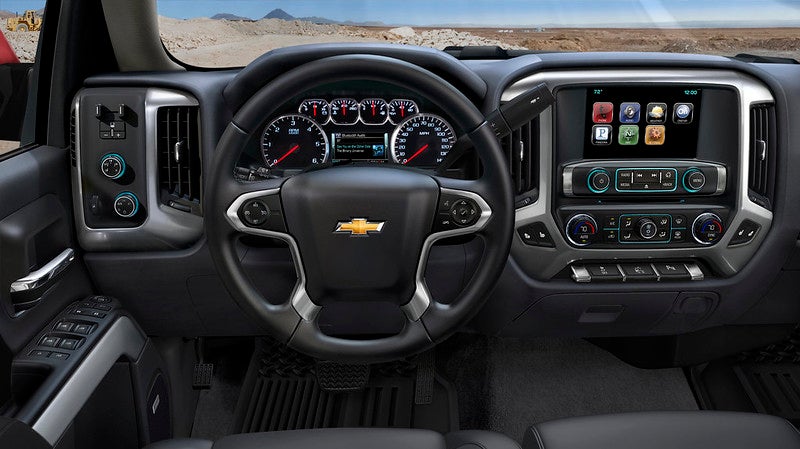

Friday, 21 October, 2022 Modern technology makes vehicles safer, faster, more comfortable, and much more dependable. Luckily, even in situations when one of the vehicle's systems fails or is about to fail, special sensors can help you notice and fix it in time. Each Chevrolet has a wide range of dashboard lights and symbols to immediately let you know when something’s not right with your car. Understanding what each represents may help you in tight situations. What Do the Dashboard Colors Represent? The symbols that may appear on your Chevrolet's dashboard are color coded to help you instantly determine each situation's urgency and the potential damage it could do to your vehicle. You’re likely to find the following three main color codes on your Chevy: Red: Any red symbol means there is an urgent issue. It could indicate a serious mechanical issue, a safety system failure, or that you’ve forgotten to close a certain door or put on your seat belt. In any case, it's important that you acknowledge the issue immediately after noticing a red light. Yellow: Yellow symbols usually indicate issues that don't require you to immediately pull over and resolve them but may turn very serious if you ignore them. From minor engine issues that are likely to worsen over time to issues with active safety systems, whenever you see a yellow symbol lighting up on your dashboard, you should get your vehicle serviced as soon as possible. Green and blue: These symbols don't indicate an issue. They do the exact opposite and show you that certain systems, such as all-wheel-drive, adaptive cruise control, and high beams, work like they're supposed to. What Do Chevrolet's Dashboard Symbols Indicate? Although knowing how urgent a situation is depending on the symbol's color can be very useful, understanding what the symbols mean is likely to help you find the root of the issue. Some of the most relevant symbols that can appear on a Chevrolet's dashboard are as follows: Engine temperature warning: Most engines need a constant flow of water running through them to help reduce the high temperatures that result from the pistons' constant motion. When this cooling system fails, the excessive heat can severely damage your engine block, so it's crucial to immediately pull over and stop your engine whenever you see this symbol. Oil warning light: Having oil inside the engine block to reduce piston friction is also important for keeping your vehicle’s interior temperatures down. Just like with the cooling system, having an issue with your vehicle's oil may result in severe engine block damage, so you should pull over immediately if you see it. Brake system warning light: This symbol indicates a potential issue with your braking system. The issue may range from a worn brake pad that needs replacing to a major fault that could cause the entire braking system to malfunction, so you should immediately pull over and investigate if you see this light up. Charging system trouble: This symbol also indicates an urgent situation, and although ignoring it is less likely to cause severe damage to your vehicle, it may prevent you from using your Chevy when you need it most. It either indicates a dead battery or a problem with the vehicle's battery recharging system. Check engine light: Although this symbol has a yellow light, it's one of the most important because it indicates an issue with your Chevy's engine. Given the complexity of a modern engine, there are multiple potential reasons for this symbol lighting up. If you see it on your dashboard, you should immediately book a service appointment and use your vehicle as little as possible in the meantime. Service reminder indicator: This symbol is a reminder that it's time to take your Chevy to an authorized service center like Vaden Automotive and perform routine maintenance procedures. It usually lights up in advance, and unlike other red and yellow symbols, you don't need to think about following its instruction right away. However, it's something that you should do in the following weeks. Headlight fault indicator: This symbol indicates an issue with one of your vehicle's headlights, which likely means that at least one of them isn't working. Although this isn't an urgent issue, if it occurs in the middle of a bright and sunny day, you should definitely take care of it before driving at night or in bad weather conditions. Tire pressure indicator: This symbol shows you that at least one of your tires isn't properly inflated. It's very useful since a deflated tire is usually difficult to spot and can affect your vehicle's stability, so you should immediately visit a tire shop to check whether your tires are leaking air. Low fuel indicator: This common symbol shows that you're running low on gas. It usually lights up when you have enough fuel left for approximately 30 to 40 more miles. Although this is well in advance, it's a clear sign that you should be looking for the nearest gas station. Electronic stability control system light: Modern Chevrolet cars have electronic stability control systems that help you handle the vehicle on slippery roads. This symbol lighting up is a warning that you're now driving in slippery conditions, and although the stability control system will assist you, you’ll need to adapt your speed and pay extra attention. High beam indicator: This blue symbol shows you that your high beams are on. It can be useful in some situations when you may not notice your lights are extra bright, which can cause difficulties to the drivers coming from the opposite direction. Paying attention to your dashboard symbols can not only keep you and your passengers safe but also prevent high repair costs by resolving the issue before it gets worse. If you see any red or yellow symbols lighting up your dashboard, contact us at Vaden Automotive and schedule a visit to our service center. Our knowledgeable technicians will fix the issue and have you and your Chevy back on the road as quickly as possible.? 2014 Chevrolet Silverado by Abdullah AlBargen is licensed with CC BY-ND 2.0