

Blog / Vehicle Information

Blog

All Vehicle Information Local Model Information Vehicle Comparison Trim Level Comparison
Chevy logo on a blue chevrolet vehicle

Chevrolet Safety Assist Features

Monday, 12 December, 2022 Chevrolet is constantly working on updating the many tools and features of its safety suite to ensure the best experience for its customers. We pride ourselves on selling powerful, comfortable, and safe Chevys. We know our customers in Georgia and South Carolina want a vehicle that will get them where they need to go while keeping their families safe. To help you decide on what safety features you need in your new (or used) Chevrolet, we will go over the range of features available in the current Chevrolet safety suite. This way, you can see which ones work best for you, your needs, and your style of driving. Forward Collision Alert and Automatic Emergency Braking While it's best always to have your eyes on the road and keep a good distance from the car ahead of you, we're all human. Sometimes, we get distracted. Other times, a car might swerve into our lane before our brain has time to react. The forward collision alert and automatic emergency braking systems are meant to prevent an accident in just these cases. The forward collision alert system gauges your speed as well as the distance between you and the vehicle in front of you. It will warn you if you are driving too close to the vehicle ahead of you at too high a speed. If you follow its guidance, you will have enough time and distance to brake no matter what the vehicle in front of you does. The automatic emergency braking system kicks in when the system senses you are about to collide with an obstruction in front of you. It automatically applies a hard brake to your vehicle or works to enhance your own hard braking so you can stop your vehicle in time. Following Distance Indicator In addition to the forward collision alerts, the following distance indicator is designed to give you a heads-up as to how closely you may be following another vehicle before the car's safety features conduct any automatic intervention. This system detects the distance between you and the vehicle ahead of you with radar and a forward-looking camera, then uses your speed to calculate your following gap time in seconds. This is the time it would take you to brake if the vehicle ahead of you suddenly stopped. Keep an eye on this indicator to gauge whether you are following the vehicle ahead of you too closely or perhaps dangerously. Front Pedestrian Braking In addition to inadvertently following cars too closely, you might be surprised by a pedestrian suddenly stepping out onto the road. The system works best when you're traveling at speeds below 50 mph in daylight. It will detect pedestrians in front of you and even perform hard emergency braking automatically to help you avoid a collision and tragic accident. Keep in mind that although the system does function at night, it is less effective in dark or low visibility conditions. Lane-Keep Assist and Lane Departure Warning When driving in rush hour traffic or on long road trips, it's easy to let your mind wander and then let your car wander. Unexpectedly drifting out of your lane may cause an accident, so the lane-keep assist and departure warning system are here to help you prevent that. If the system detects your vehicle drifting, it will gently correct the steering wheel to keep you in your lane. Don't worry; these corrections are not sudden, jerky motions but rather slow corrections meant not to startle the driver or unintentionally overcorrect a lane drift. If this correction doesn't get you back on track and you continue to drift, the system may send you additional departure warning signals. But what if you want to actively change lanes? Well, this incredibly sophisticated system can generally detect when you are making an intentional lane change, either because you have your turn signal on or you are intentionally steering the car, something that reads differently than unintentional drifting to the lane keep assist system. Rear Vision Camera and Park Assist Many new Chevrolets come equipped with a rear vision camera as well as a parking assist. The camera is set to turn on automatically when you put your car in reverse and helps you see what is directly behind you. This way, you can avoid unintended collisions with objects or the sidewalk when parking or backing up. Additionally, the rear park assist helps you reverse safely by emitting a noise whenever you come too close to an object. The closer you get to an object, these distance alerts emit at a higher frequency, so you have an idea of how far behind you the obstruction may be. Intellibeam Headlights Ideally, the headlights of a vehicle should illuminate the surrounding space without blinding oncoming drivers. Intellibeam headlights seek to do just that. Using a small sensor placed in the windshield of some Chevrolet models, these headlights detect the strength of oncoming headlights or taillights of vehicles ahead of you. Using this information, it adjusts your headlights and automatically turns off your high-beam illumination when other cars are nearby. This system gives you the best view of the road and your surroundings in low-light situations without compromising the safety of other drivers and vehicles around you. What Chevy Models Include the Safety Suite? Many of the newer Chevrolet models come with most or all of the safety features listed above as standard or optional features. These models include the Chevrolet Equinox, the Trailblazer, the Blazer, and the Traverse, just to name a few. Customers who want an electric vehicle option will be happy to know that the Chevrolet Bolt EV also comes with this safety suite. If you want to browse some of the safest Chevrolet models available in South Carolina and the Savannah metro area, drop by Vaden Automotive to see and test drive the cars so you can get a sense of the updated Chevrolet safety suite up close. Chevrolet Logo by Xtra Flare is licensed with CC BY 2.0
chevrolet-dashboard-symbols.jpg

Chevrolet Dashboard Symbols and Warning Lights Meanings

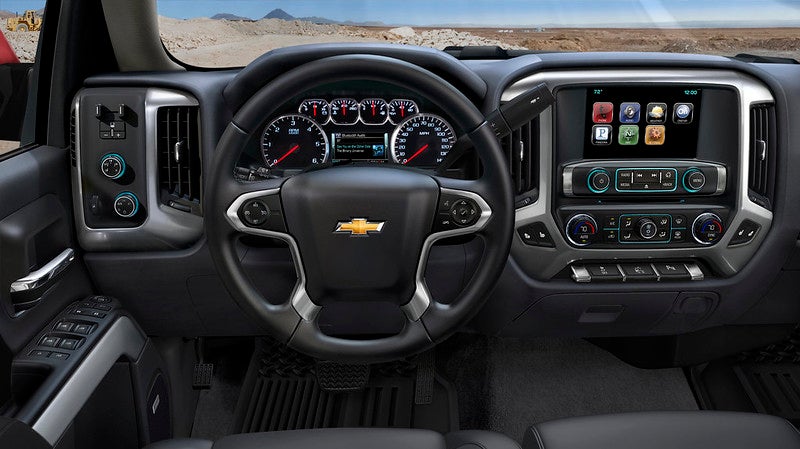
Friday, 21 October, 2022 Modern technology makes vehicles safer, faster, more comfortable, and much more dependable. Luckily, even in situations when one of the vehicle's systems fails or is about to fail, special sensors can help you notice and fix it in time. Each Chevrolet has a wide range of dashboard lights and symbols to immediately let you know when something’s not right with your car. Understanding what each represents may help you in tight situations. What Do the Dashboard Colors Represent? The symbols that may appear on your Chevrolet's dashboard are color coded to help you instantly determine each situation's urgency and the potential damage it could do to your vehicle. You’re likely to find the following three main color codes on your Chevy: Red: Any red symbol means there is an urgent issue. It could indicate a serious mechanical issue, a safety system failure, or that you’ve forgotten to close a certain door or put on your seat belt. In any case, it's important that you acknowledge the issue immediately after noticing a red light. Yellow: Yellow symbols usually indicate issues that don't require you to immediately pull over and resolve them but may turn very serious if you ignore them. From minor engine issues that are likely to worsen over time to issues with active safety systems, whenever you see a yellow symbol lighting up on your dashboard, you should get your vehicle serviced as soon as possible. Green and blue: These symbols don't indicate an issue. They do the exact opposite and show you that certain systems, such as all-wheel-drive, adaptive cruise control, and high beams, work like they're supposed to. What Do Chevrolet's Dashboard Symbols Indicate? Although knowing how urgent a situation is depending on the symbol's color can be very useful, understanding what the symbols mean is likely to help you find the root of the issue. Some of the most relevant symbols that can appear on a Chevrolet's dashboard are as follows: Engine temperature warning: Most engines need a constant flow of water running through them to help reduce the high temperatures that result from the pistons' constant motion. When this cooling system fails, the excessive heat can severely damage your engine block, so it's crucial to immediately pull over and stop your engine whenever you see this symbol. Oil warning light: Having oil inside the engine block to reduce piston friction is also important for keeping your vehicle’s interior temperatures down. Just like with the cooling system, having an issue with your vehicle's oil may result in severe engine block damage, so you should pull over immediately if you see it. Brake system warning light: This symbol indicates a potential issue with your braking system. The issue may range from a worn brake pad that needs replacing to a major fault that could cause the entire braking system to malfunction, so you should immediately pull over and investigate if you see this light up. Charging system trouble: This symbol also indicates an urgent situation, and although ignoring it is less likely to cause severe damage to your vehicle, it may prevent you from using your Chevy when you need it most. It either indicates a dead battery or a problem with the vehicle's battery recharging system. Check engine light: Although this symbol has a yellow light, it's one of the most important because it indicates an issue with your Chevy's engine. Given the complexity of a modern engine, there are multiple potential reasons for this symbol lighting up. If you see it on your dashboard, you should immediately book a service appointment and use your vehicle as little as possible in the meantime. Service reminder indicator: This symbol is a reminder that it's time to take your Chevy to an authorized service center like Vaden Automotive and perform routine maintenance procedures. It usually lights up in advance, and unlike other red and yellow symbols, you don't need to think about following its instruction right away. However, it's something that you should do in the following weeks. Headlight fault indicator: This symbol indicates an issue with one of your vehicle's headlights, which likely means that at least one of them isn't working. Although this isn't an urgent issue, if it occurs in the middle of a bright and sunny day, you should definitely take care of it before driving at night or in bad weather conditions. Tire pressure indicator: This symbol shows you that at least one of your tires isn't properly inflated. It's very useful since a deflated tire is usually difficult to spot and can affect your vehicle's stability, so you should immediately visit a tire shop to check whether your tires are leaking air. Low fuel indicator: This common symbol shows that you're running low on gas. It usually lights up when you have enough fuel left for approximately 30 to 40 more miles. Although this is well in advance, it's a clear sign that you should be looking for the nearest gas station. Electronic stability control system light: Modern Chevrolet cars have electronic stability control systems that help you handle the vehicle on slippery roads. This symbol lighting up is a warning that you're now driving in slippery conditions, and although the stability control system will assist you, you’ll need to adapt your speed and pay extra attention. High beam indicator: This blue symbol shows you that your high beams are on. It can be useful in some situations when you may not notice your lights are extra bright, which can cause difficulties to the drivers coming from the opposite direction. Paying attention to your dashboard symbols can not only keep you and your passengers safe but also prevent high repair costs by resolving the issue before it gets worse. If you see any red or yellow symbols lighting up your dashboard, contact us at Vaden Automotive and schedule a visit to our service center. Our knowledgeable technicians will fix the issue and have you and your Chevy back on the road as quickly as possible.? 2014 Chevrolet Silverado by Abdullah AlBargen is licensed with CC BY-ND 2.0

Contact Us

Fill out this form below and we'll contact you shortly
*Required Fields